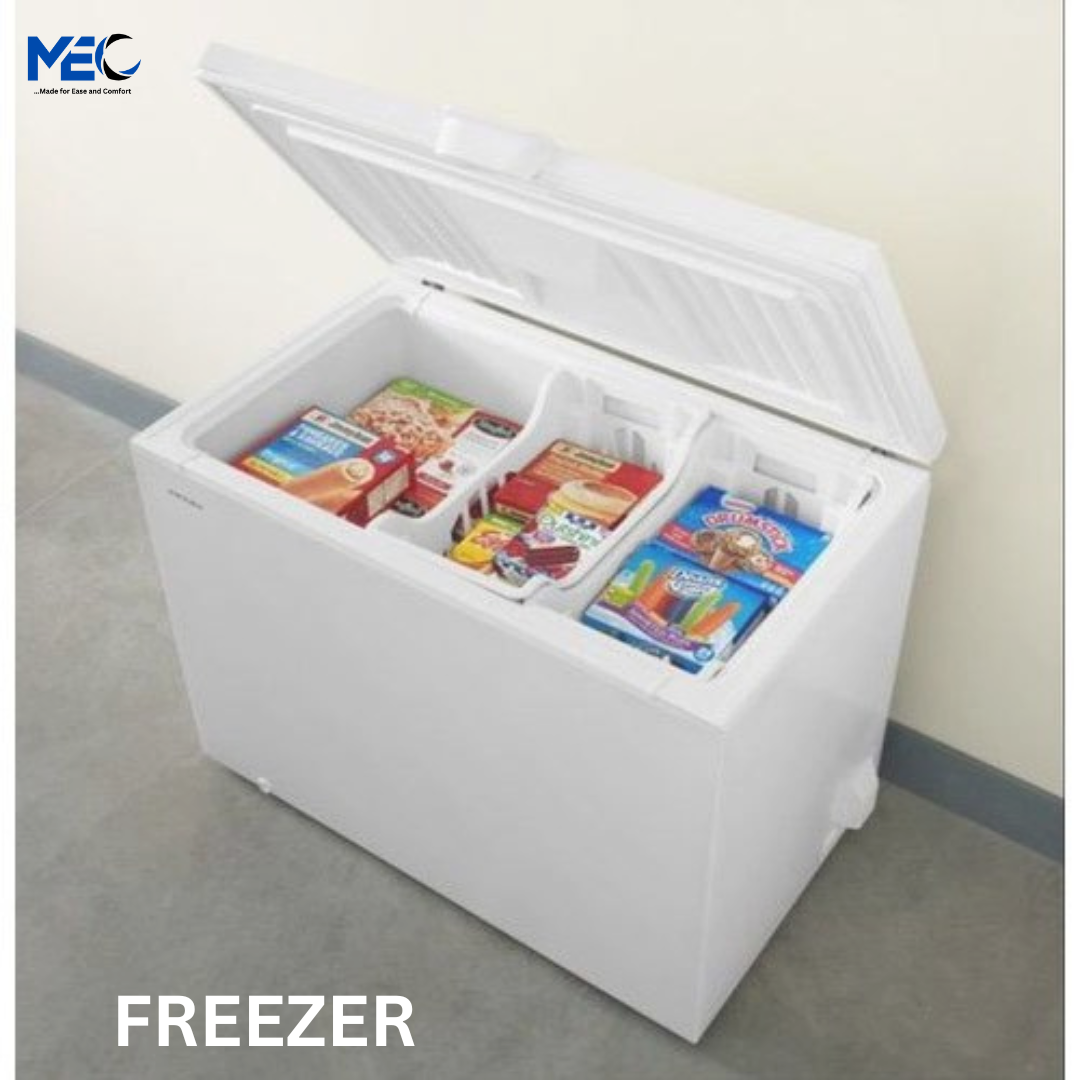
Refrigerators are one of the most indispensable appliances in modern kitchens. They help keep food fresh, prevent spoilage, and provide convenience in storing perishable items. Over the years, refrigerators have evolved significantly, incorporating advanced technologies and energy-efficient features to meet the growing demands of consumers.
A Brief History of Refrigerators
The concept of refrigeration dates back centuries, with early civilizations using ice and underground storage to preserve food. However, the first practical electric refrigerator was introduced in the early 20th century. Since then, the technology has advanced significantly, leading to the modern, highly efficient refrigerators we use today.
Types of Refrigerators
There are several types of refrigerators available, each catering to different needs and preferences:
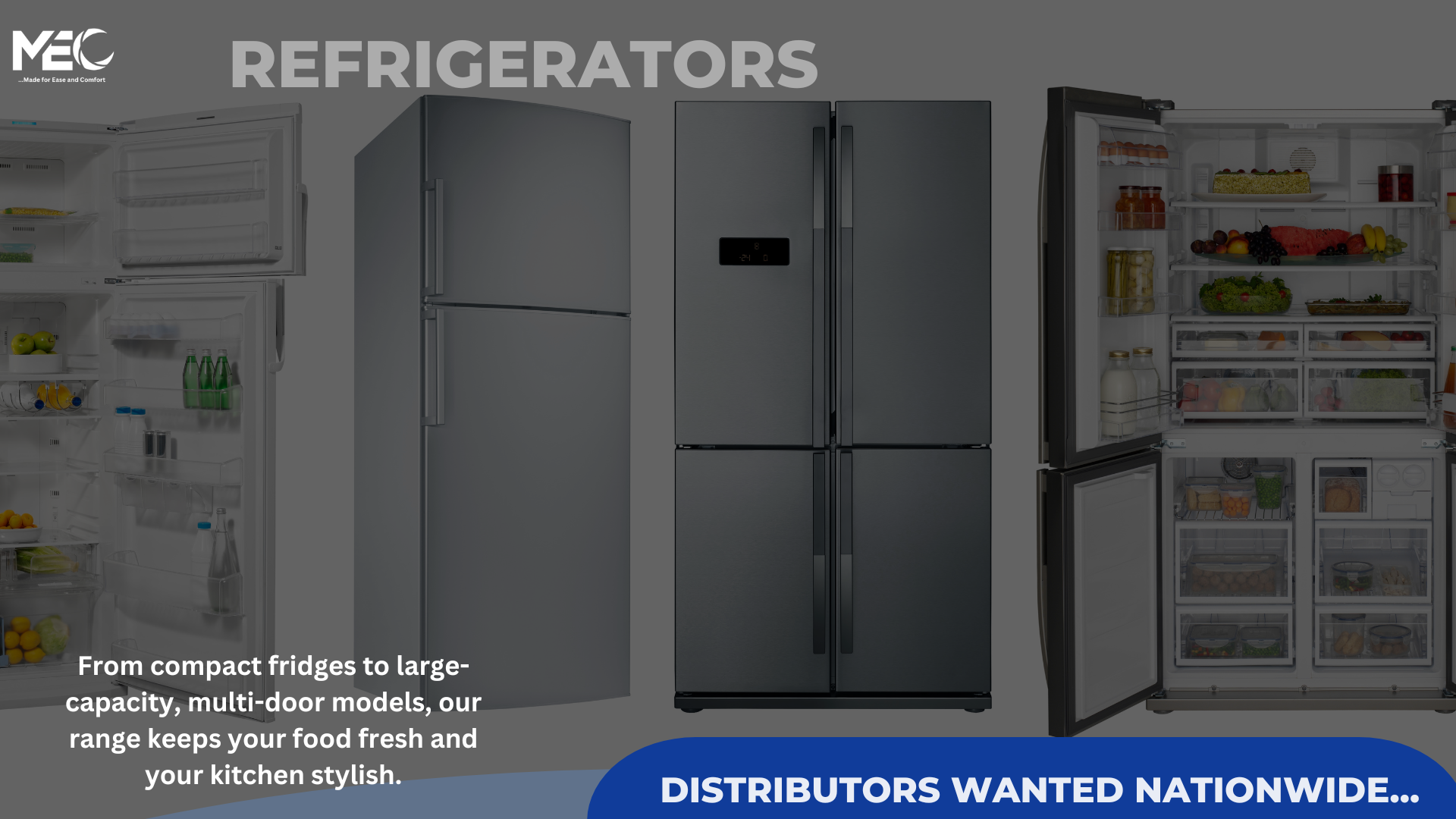
- Top Freezer Refrigerator – A classic and cost-effective design with the freezer compartment on top and the fresh food section below.
- Bottom Freezer Refrigerator – The freezer is located at the bottom, making it easier to access fresh food items at eye level.
- Side-by-Side Refrigerator – Features two doors that open side by side, with the freezer on one side and the refrigerator on the other.
- French Door Refrigerator – Combines a bottom freezer with double-door fresh food storage, offering a spacious and stylish design.
- Mini Fridge – A compact option ideal for dorm rooms, offices, and small apartments.
- Smart Refrigerator – Equipped with Wi-Fi connectivity and smart features such as temperature control, touch screens, and even voice assistants.
Distributors Wanted Nationwide!
Key Features to Look for in a Refrigerator
When purchasing a refrigerator, consider the following features to ensure you get the best value for your needs:
- Energy Efficiency – Look for models with an ENERGY STAR rating to save electricity and reduce your carbon footprint.
- Storage Capacity – Choose a size that fits your household’s storage requirements.
- Adjustable Shelves and Drawers – Customizable storage options for better organization.
- Temperature Control – Advanced settings to maintain optimal cooling conditions.
- Frost-Free Technology – Prevents ice buildup, reducing the need for manual defrosting.
- Water and Ice Dispenser – Adds convenience for instant access to chilled water and ice.
Maintenance Tips for a Long-Lasting Refrigerator
To keep your refrigerator running efficiently and extend its lifespan, follow these maintenance tips:
- Clean the Coils – Dust and dirt buildup on condenser coils can reduce efficiency. Clean them every six months.
- Check the Seals – Ensure the door seals are tight to prevent cold air leakage.
- Defrost When Necessary – If your fridge isn’t frost-free, manually defrost it when ice buildup occurs.
- Keep It Organized – Proper food placement helps maintain consistent airflow and temperature.
- Set the Right Temperature – The ideal refrigerator temperature is around 37°F (3°C), while the freezer should be at 0°F (-18°C).
The Future of Refrigerators
With advancements in technology, the future of refrigerators is promising. Smart refrigerators with AI-driven features, improved energy efficiency, and sustainable cooling technologies are shaping the next generation of appliances. Some models now come with voice control, inventory tracking, and integration with smart home ecosystems.
A refrigerator is more than just a kitchen appliance—it is an essential part of daily life. Whether you’re buying a new refrigerator or maintaining an existing one, understanding the different types, key features, and proper care will ensure you get the most out of your investment. Choose wisely and enjoy fresh, well-preserved food every day!