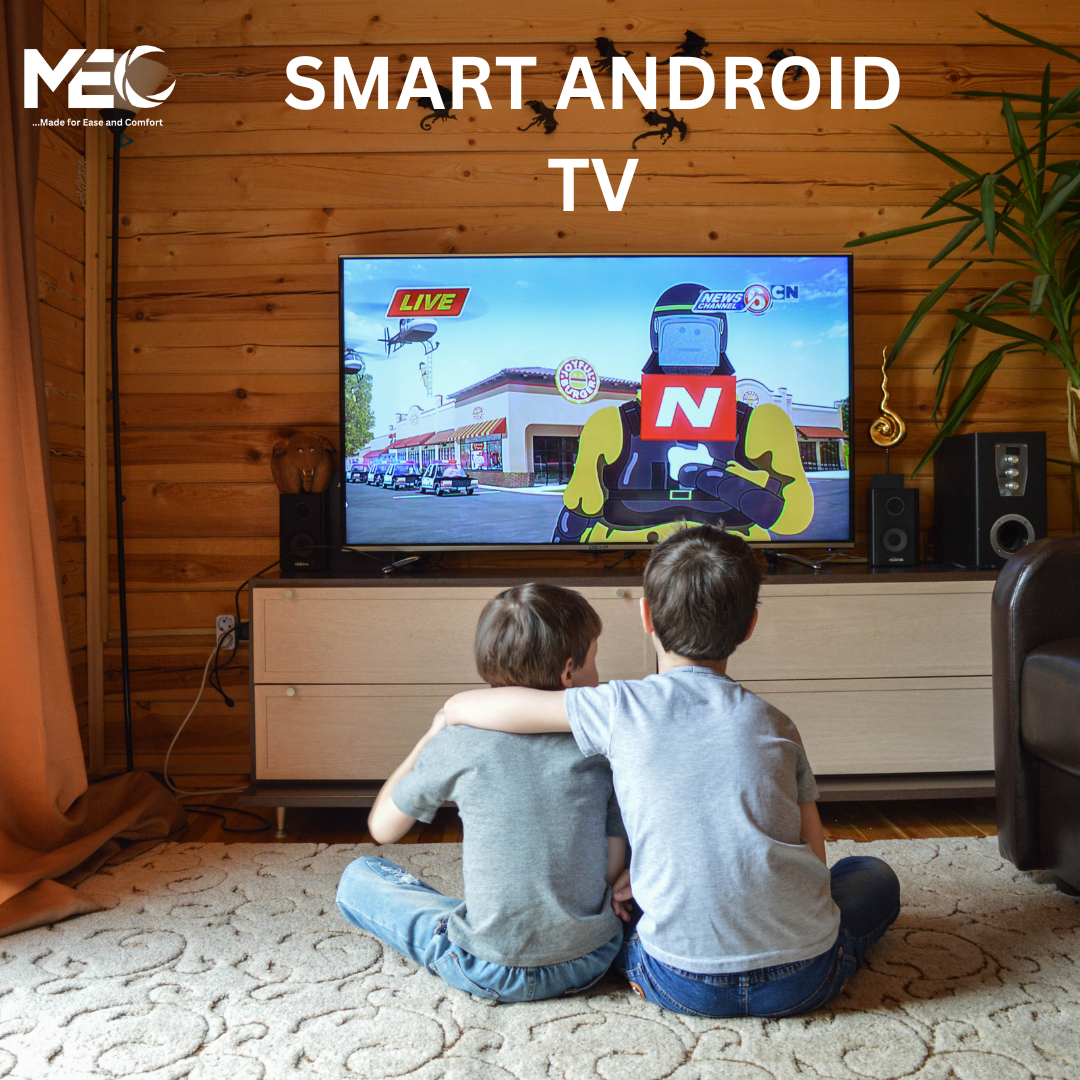
Blog

  • Android Smart TV: The Ultimate Entertainment Hub

    Android Smart TV: The Ultimate Entertainment Hub

    In today’s digital era, entertainment has taken a giant leap forward with the evolution of Smart TVs. Among the various smart TV platforms available, Android Smart TV stands out as one of the most versatile and feature-rich options for users worldwide. Offering a seamless combination of traditional television and internet-based content, Android Smart TVs have transformed the way we experience entertainment.
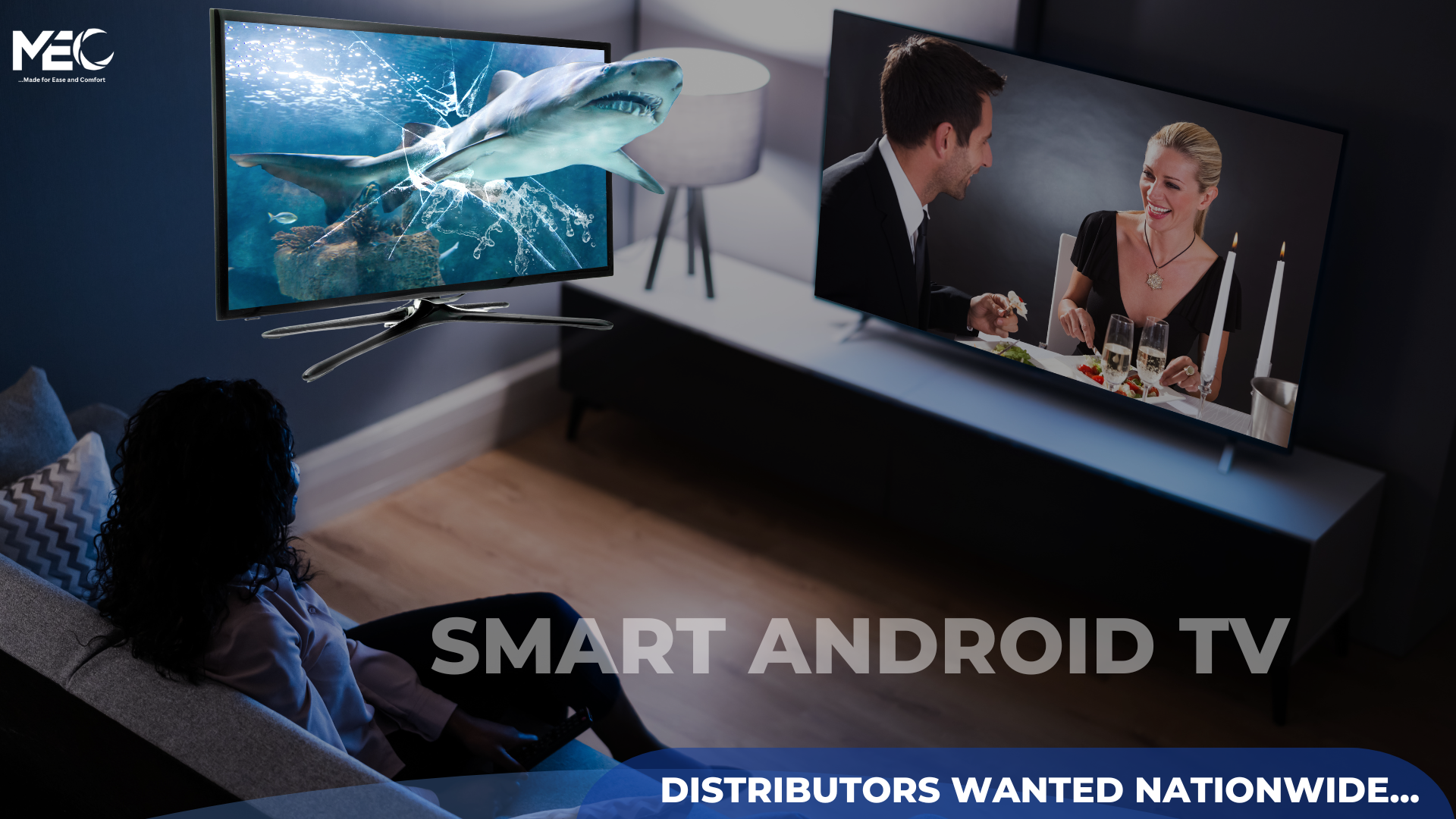
    What is an Android Smart TV?

    An Android Smart TV is a television that runs on Google’s Android operating system, similar to smartphones and tablets. This means users can access the Google Play Store, download apps, and enjoy a wide range of functionalities beyond standard TV viewing. It provides a customized experience with various applications, streaming services, and even gaming options.

    Key Features of Android Smart TV

    1. Access to Google Play Store

    One of the biggest advantages of an Android Smart TV is the availability of thousands of apps through the Google Play Store. From streaming platforms like Netflix, Amazon Prime Video, and Disney+ to music apps like Spotify and YouTube Music, users can personalize their entertainment experience effortlessly.

    2. Voice Control & Google Assistant

    Android Smart TVs come integrated with Google Assistant, allowing users to control the TV using voice commands. Whether it’s changing channels, searching for content, or adjusting the volume, voice control makes navigation easier and more intuitive.


    Distributors Wanted Nationwide!

    3. Chromecast Built-in

    Many Android Smart TVs come with Chromecast built-in, enabling users to cast content from their smartphones, tablets, or laptops directly onto the TV screen. This feature enhances the viewing experience by making it more interactive and convenient.

    4. Regular Software Updates

    Unlike traditional TVs, Android Smart TVs receive regular software updates from Google, ensuring better performance, security, and access to the latest features and apps.

    5. Gaming & Bluetooth Support

    For gaming enthusiasts, Android Smart TVs support gaming apps from the Play Store. Additionally, Bluetooth connectivity allows users to pair game controllers, wireless headphones, and other accessories for an immersive experience.

    Why Choose an Android Smart TV?

    Android Smart TVs are an excellent choice for users who want more than just basic television. They offer a user-friendly interface, access to a vast content library, and seamless integration with smart home devices. Whether you enjoy binge-watching, gaming, or browsing the internet, an Android Smart TV provides a complete entertainment package.

    With the rapid advancement in technology, Android Smart TVs continue to revolutionize home entertainment. Their smart capabilities, combined with the power of Google’s ecosystem, make them a must-have gadget for modern households. If you’re looking for a feature-packed, future-proof television, an Android Smart TV is undoubtedly a great investment.
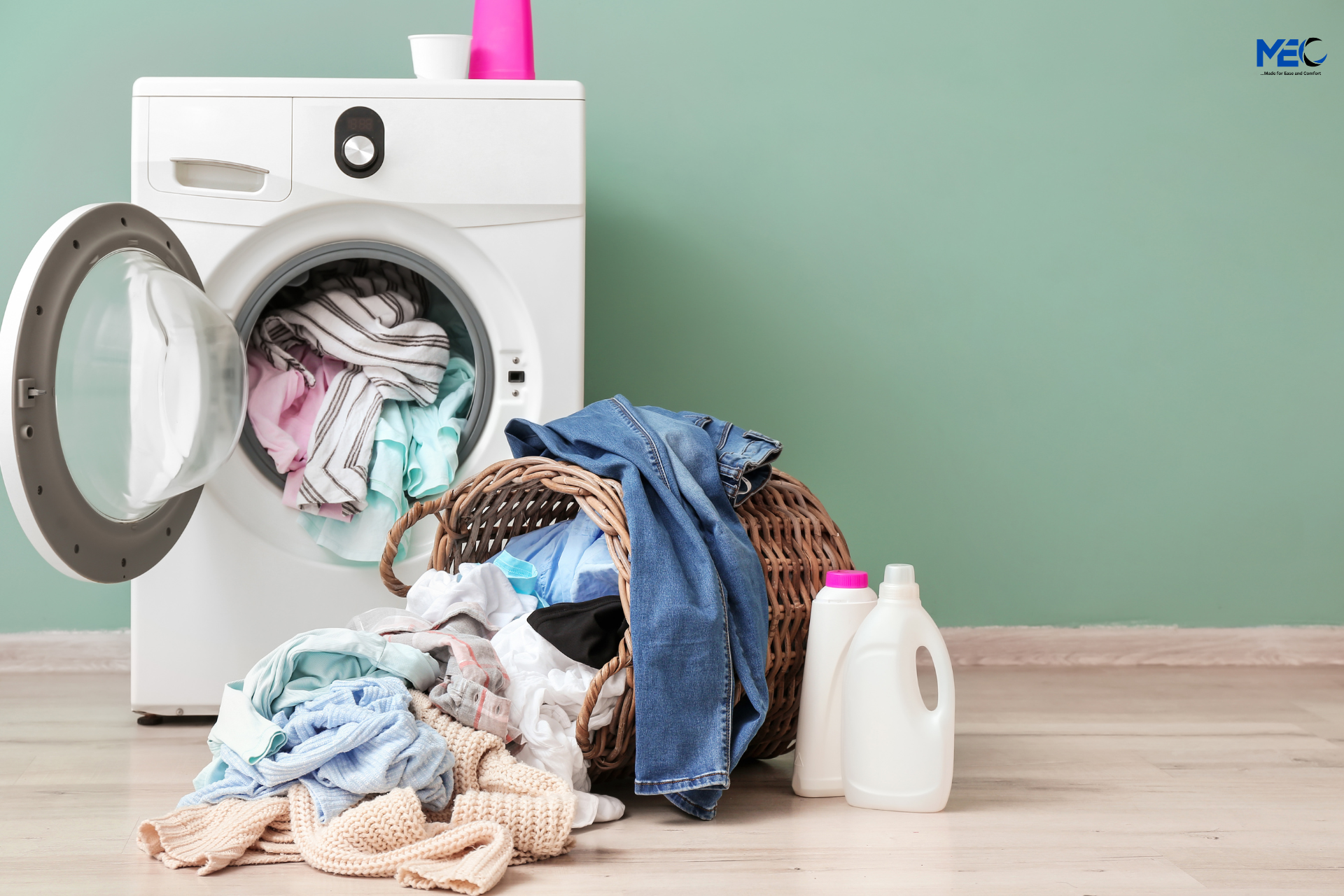


  • 5 Reasons Why a Washing Machine is Essential for Every Home

    5 Reasons Why a Washing Machine is Essential for Every Home

    A washing machine is more than just a household appliance; it’s a time-saving and efficient solution for modern living. Whether you live alone, with family, or have a busy lifestyle, owning a washing machine simplifies laundry tasks and improves daily life. Here are five reasons why every home should have one.


    1. Saves Time & Effort

    Handwashing clothes can be time-consuming and physically demanding. A washing machine automates the process, allowing you to multitask while your clothes get cleaned efficiently. With different wash cycles, you can complete laundry in a fraction of the time compared to manual washing.

    1. Efficient Cleaning & Stain Removal

    Modern washing machines are equipped with advanced features like high-speed spinning, multiple wash modes, and stain-removal technology. These ensure thorough cleaning, removing dirt, stains, and bacteria more effectively than handwashing.

    1. Water & Energy Efficiency

    Contrary to popular belief, washing machines are designed to use water and detergent efficiently, reducing wastage. Many models come with energy-saving features that help cut down electricity consumption, making them an eco-friendly choice for every household.

    1. Preserves Fabric Quality

    Handwashing clothes, especially delicate fabrics, can lead to excessive wear and tear. Washing machines offer gentle wash cycles that protect fabrics, maintaining the quality and longevity of your clothes.

    1. Convenience & Hygiene

    With busy schedules, doing laundry manually can be overwhelming. A washing machine makes the process convenient, allowing you to maintain clean, fresh-smelling clothes effortlessly. Additionally, it helps eliminate bacteria and allergens, promoting better hygiene for you and your family.

    Final Thoughts

    Investing in a washing machine is a smart decision for any household. It saves time, conserves water and energy, protects your clothes, and ensures hygiene. Whether you choose a fully automatic or semi-automatic model, the benefits of having a washing machine at home are undeniable. Upgrade your home today and experience the ease of modern laundry solutions!

  • The Ultimate Guide to Gas Cookers: Everything You Need to Know

    The Ultimate Guide to Gas Cookers: Everything You Need to Know

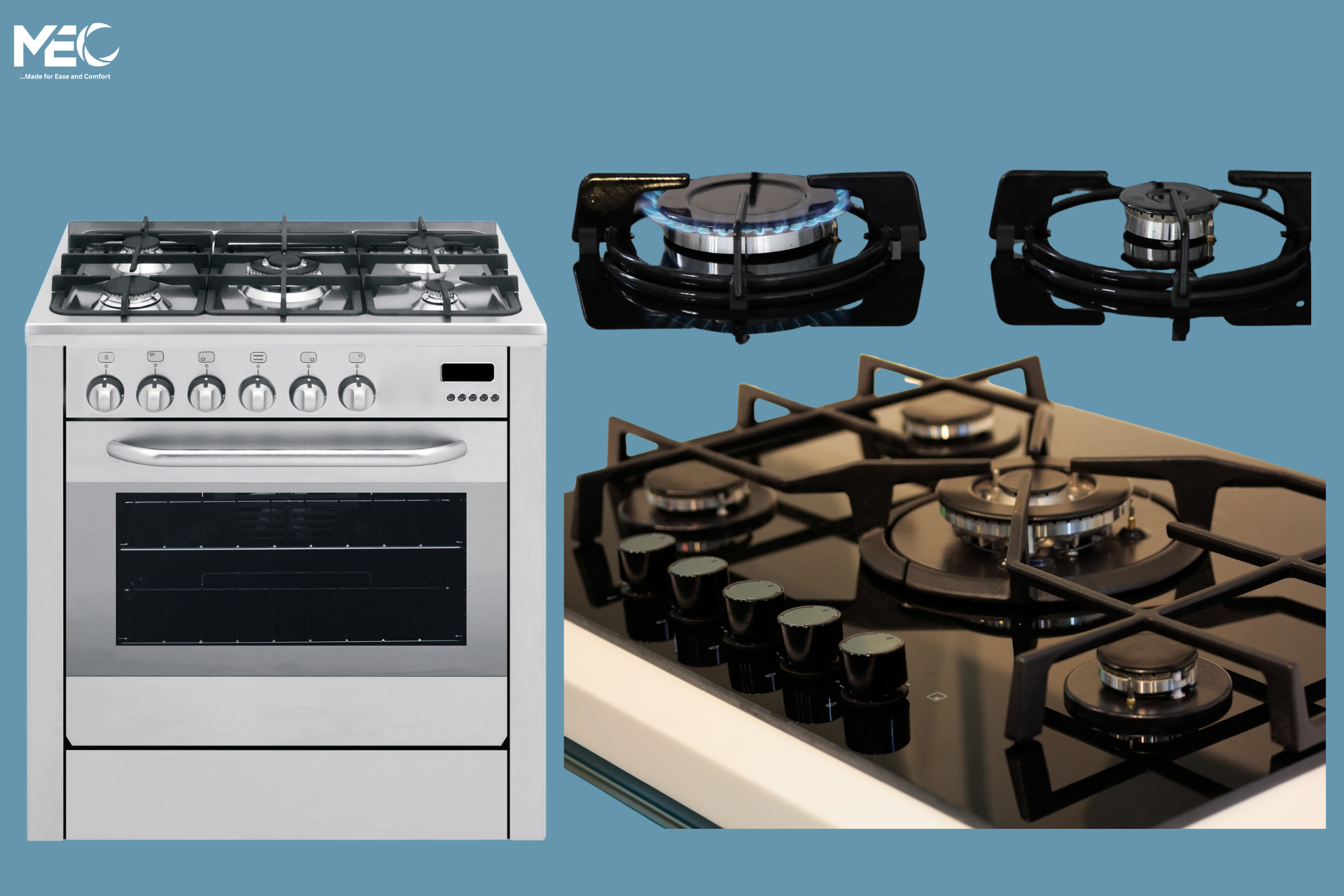
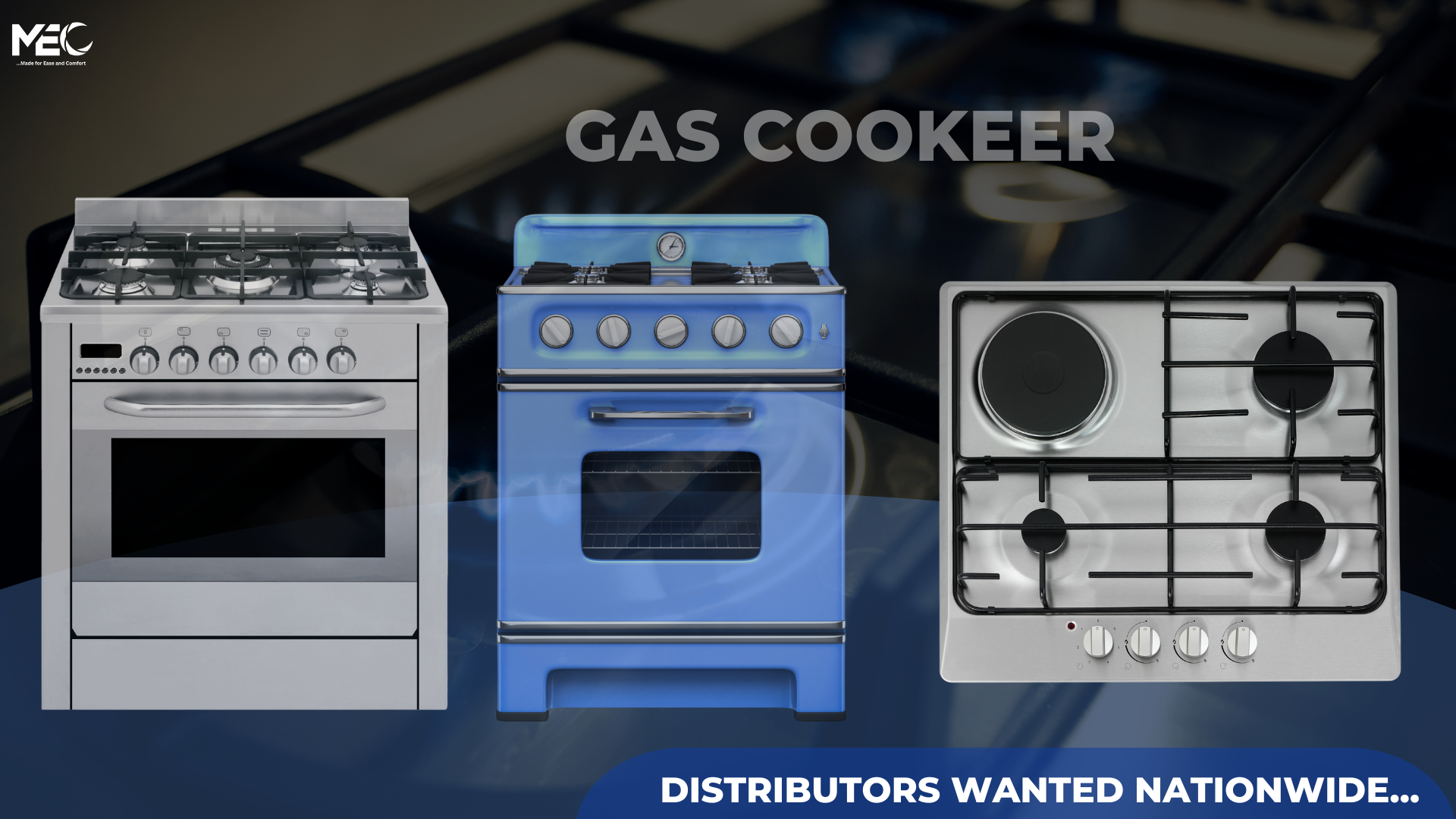
    Gas cookers have been a staple in kitchens for decades, offering reliability, efficiency, and precision when it comes to cooking. Whether you’re an experienced chef or a home cook, a gas cooker can be an excellent addition to your kitchen setup. In this guide, we’ll explore everything you need to know about gas cookers, including their benefits, how to choose the right one, maintenance tips, and safety precautions.

    Benefits of a Gas Cooker

    1. Instant Heat – Unlike electric cookers that take time to heat up, gas cookers provide instant heat, allowing you to start cooking immediately.
    2. Better Heat Control – The flame allows precise temperature control, making it easier to cook delicate dishes.
    3. Cost-Effective – Gas is generally cheaper than electricity in many regions, making gas cookers a cost-effective option for long-term use.
    4. Even Cooking – The flames distribute heat evenly across the cookware, preventing hot spots and ensuring consistent cooking results.
    5. Works During Power Outages – Unlike electric stoves, gas cookers don’t rely on electricity, meaning you can still cook when the power is out.

    Distributors Wanted Nationwide

    How to Choose the Right Gas Cooker

    When selecting a gas cooker, consider the following factors:

    • Size & Capacity – Choose a cooker that fits your kitchen space and meets your cooking needs. Standard sizes range from 50cm to 90cm in width.
    • Number of Burners – Depending on your cooking habits, opt for a model with 2 to 6 burners.
    • Oven Type – Some gas cookers come with gas ovens, while others have electric ovens for better baking control.
    • Ignition System – Look for auto-ignition models for convenience and safety.
    • Safety Features – Features like flame failure devices (FFD) ensure gas is cut off if the flame goes out, reducing the risk of leaks.
    • Energy Efficiency – Check for energy efficiency ratings to choose an environmentally friendly model.

    Maintenance Tips for a Gas Cooker

    To ensure your gas cooker stays in top condition, follow these maintenance tips:

    • Regular Cleaning – Clean the burners, grates, and oven after each use to prevent grease buildup.
    • Check for Gas Leaks – Periodically inspect the gas hose and connections for leaks. If you smell gas, turn off the supply and ventilate the area.
    • Unclog Burners – Use a needle or soft brush to remove any food debris blocking the burner holes.
    • Use the Right Cookware – Flat-bottomed and properly sized cookware ensures even heat distribution and efficient cooking.
    • Schedule Professional Servicing – Have a professional check your gas cooker annually to ensure it’s in safe working condition.

    Safety Precautions When Using a Gas Cooker

    • Proper Ventilation – Always cook in a well-ventilated kitchen to prevent gas buildup.
    • Never Leave Unattended – Don’t leave the gas cooker on while unattended, especially when cooking with oil.
    • Turn Off When Not in Use – Always switch off the gas supply when the cooker is not in use.
    • Use a Gas Detector – Installing a gas detector in your kitchen can help detect leaks early.
    • Keep Flammable Items Away – Avoid placing paper, cloth, or plastic near the burners.

    A gas cooker is an essential kitchen appliance that offers efficiency, cost savings, and control over your cooking. By choosing the right model, maintaining it properly, and following safety precautions, you can enjoy a seamless and safe cooking experience. Whether you’re upgrading your kitchen or purchasing a new cooker, this guide will help you make an informed decision.

  • The Essential Guide to Refrigerators: Everything You Need to Know

    The Essential Guide to Refrigerators: Everything You Need to Know

    Refrigerators are one of the most indispensable appliances in modern kitchens. They help keep food fresh, prevent spoilage, and provide convenience in storing perishable items. Over the years, refrigerators have evolved significantly, incorporating advanced technologies and energy-efficient features to meet the growing demands of consumers.

    A Brief History of Refrigerators

    The concept of refrigeration dates back centuries, with early civilizations using ice and underground storage to preserve food. However, the first practical electric refrigerator was introduced in the early 20th century. Since then, the technology has advanced significantly, leading to the modern, highly efficient refrigerators we use today.

    Types of Refrigerators

    There are several types of refrigerators available, each catering to different needs and preferences:

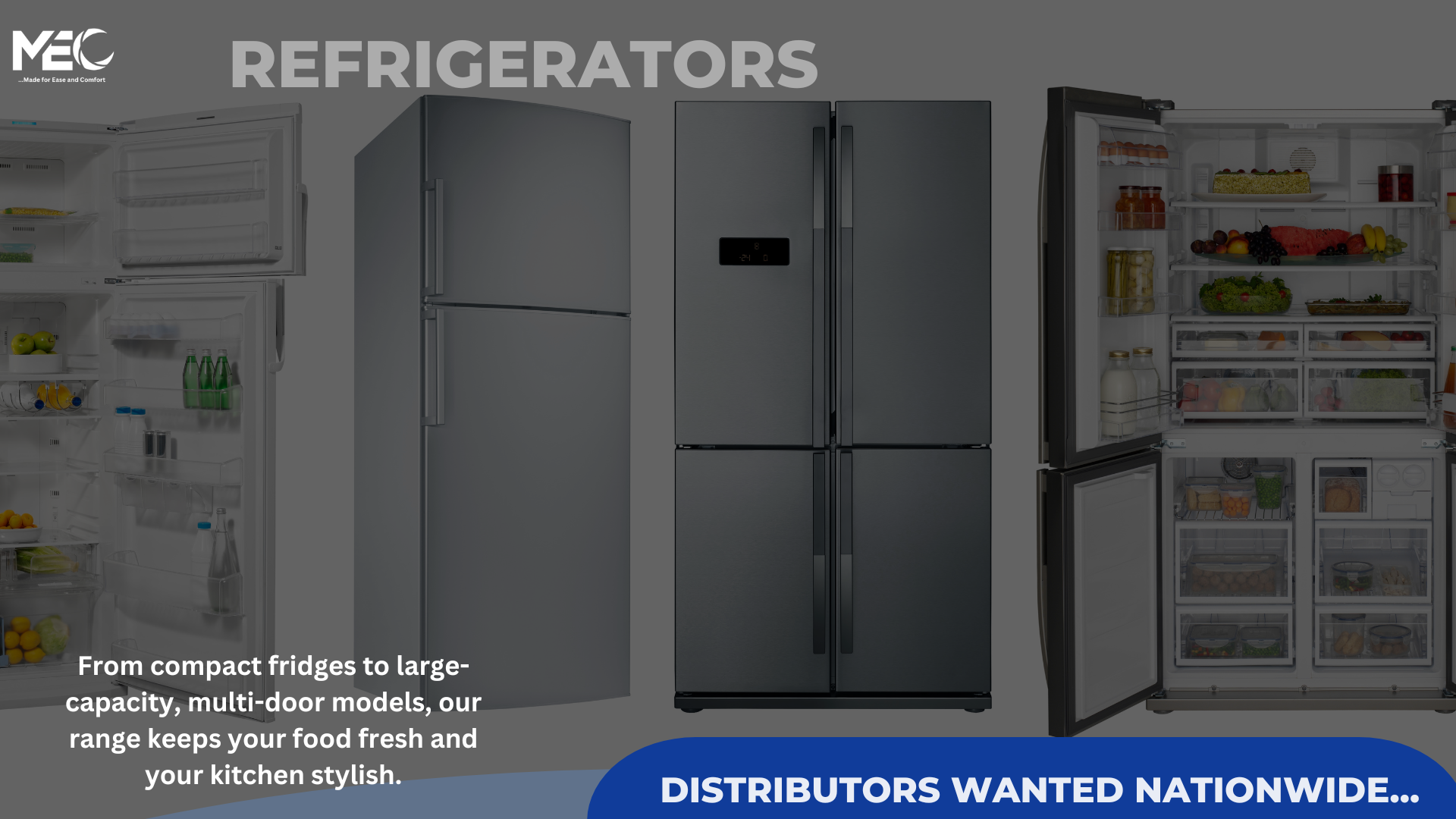
    1. Top Freezer Refrigerator – A classic and cost-effective design with the freezer compartment on top and the fresh food section below.
    2. Bottom Freezer Refrigerator – The freezer is located at the bottom, making it easier to access fresh food items at eye level.
    3. Side-by-Side Refrigerator – Features two doors that open side by side, with the freezer on one side and the refrigerator on the other.
    4. French Door Refrigerator – Combines a bottom freezer with double-door fresh food storage, offering a spacious and stylish design.
    5. Mini Fridge – A compact option ideal for dorm rooms, offices, and small apartments.
    6. Smart Refrigerator – Equipped with Wi-Fi connectivity and smart features such as temperature control, touch screens, and even voice assistants.

    Distributors Wanted Nationwide!

    Key Features to Look for in a Refrigerator

    When purchasing a refrigerator, consider the following features to ensure you get the best value for your needs:

    • Energy Efficiency – Look for models with an ENERGY STAR rating to save electricity and reduce your carbon footprint.
    • Storage Capacity – Choose a size that fits your household’s storage requirements.
    • Adjustable Shelves and Drawers – Customizable storage options for better organization.
    • Temperature Control – Advanced settings to maintain optimal cooling conditions.
    • Frost-Free Technology – Prevents ice buildup, reducing the need for manual defrosting.
    • Water and Ice Dispenser – Adds convenience for instant access to chilled water and ice.

    Maintenance Tips for a Long-Lasting Refrigerator

    To keep your refrigerator running efficiently and extend its lifespan, follow these maintenance tips:

    • Clean the Coils – Dust and dirt buildup on condenser coils can reduce efficiency. Clean them every six months.
    • Check the Seals – Ensure the door seals are tight to prevent cold air leakage.
    • Defrost When Necessary – If your fridge isn’t frost-free, manually defrost it when ice buildup occurs.
    • Keep It Organized – Proper food placement helps maintain consistent airflow and temperature.
    • Set the Right Temperature – The ideal refrigerator temperature is around 37°F (3°C), while the freezer should be at 0°F (-18°C).

    The Future of Refrigerators

    With advancements in technology, the future of refrigerators is promising. Smart refrigerators with AI-driven features, improved energy efficiency, and sustainable cooling technologies are shaping the next generation of appliances. Some models now come with voice control, inventory tracking, and integration with smart home ecosystems.

    A refrigerator is more than just a kitchen appliance—it is an essential part of daily life. Whether you’re buying a new refrigerator or maintaining an existing one, understanding the different types, key features, and proper care will ensure you get the most out of your investment. Choose wisely and enjoy fresh, well-preserved food every day!

  • A must Read: The Ultimate Guide to Deep Freezers

    A must Read: The Ultimate Guide to Deep Freezers

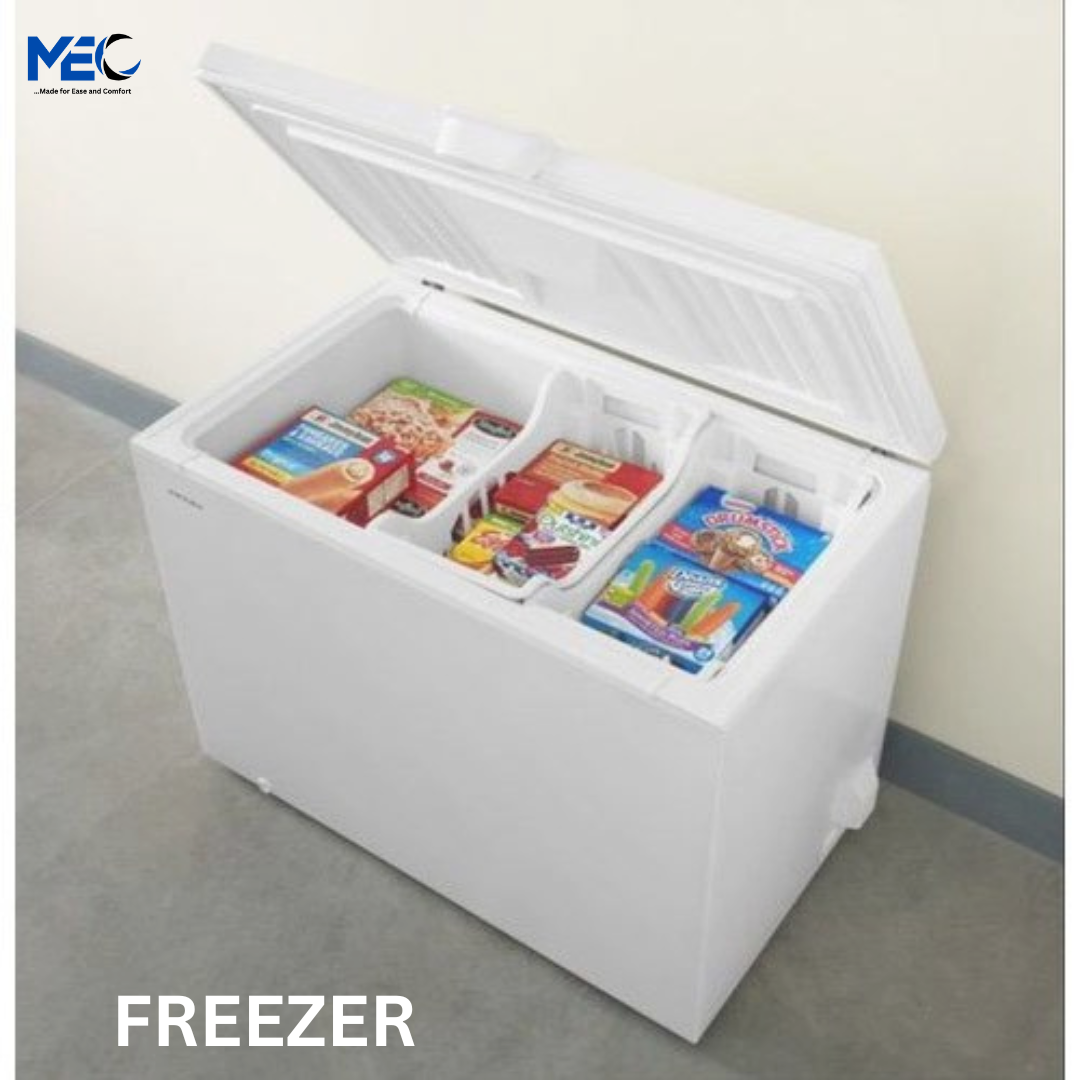
    Deep freezers, also known as chest freezers or upright freezers, have become an essential appliance for households, restaurants, and businesses alike. They provide extra storage space for frozen foods, helping to preserve food for longer periods while maintaining its quality. If you’re considering purchasing a deep freezer or simply want to learn more about them, this guide will cover everything you need to know.

    Types of Deep Freezers

    1. Chest Freezers
      • Large horizontal storage space.
      • Better energy efficiency as cold air stays trapped inside when opened.
      • Ideal for bulk food storage.
      • Requires manual defrosting.
    2. Upright Freezers
      • Designed like a traditional refrigerator with shelves.
      • Easier to organize and access food items.
      • Usually comes with automatic defrosting features.
      • Less energy efficient compared to chest freezers.

    Benefits of Owning a Deep Freezer

    • Longer Food Storage: Helps preserve food for months or even years without compromising taste and quality.
    • Cost Savings: Buying food in bulk and storing it reduces grocery trips and overall expenses.
    • Reduced Food Waste: Keeps leftovers, meal preps, and perishable items fresh for longer periods.
    • Emergency Preparedness: Essential during power outages or emergencies, especially when stocked with frozen essentials.

    Distributors Wanted Nationwide!

    Factors to Consider When Buying a Deep Freezer

    1. Size and Capacity: Choose based on the available space and your storage needs. Standard deep freezers range from 5 to 25 cubic feet.
    2. Energy Efficiency: Look for ENERGY STAR-rated models to save on electricity bills.
    3. Defrosting Mechanism: Decide between manual defrost and auto-defrost, depending on convenience.
    4. Temperature Control: Adjustable temperature settings help in preserving different types of food.
    5. Additional Features: Some models offer features like built-in locks, LED lighting, and storage baskets.

    Tips for Maintaining a Deep Freezer

    • Regular Defrosting: If you have a manual defrost freezer, clean it periodically to prevent ice buildup.
    • Proper Organization: Use baskets and labels to categorize food items for easy access.
    • Check Seals and Gaskets: Ensure airtight sealing to maintain cooling efficiency.
    • Avoid Overloading: Overstuffing can restrict airflow and impact freezing efficiency.
    • Power Backup Plan: Invest in a generator or battery backup in case of power failures.

    A deep freezer is a worthwhile investment for those who need extra frozen storage. Whether for a large family, a small business, or meal prepping, choosing the right freezer can make life more convenient and cost-effective. Consider your storage needs, space, and energy efficiency when making a purchase, and follow maintenance tips to keep your deep freezer in top condition for years to come.